
Japan’s Population Continues to Shrink as Foreign Resident Population Surpasses 4 Million
Japan is facing a major demographic shift as its Japanese population continues to decline while the number of foreign
Press Release Disclaimer: This is a press release distributed through the XPR Media network. It has not been independently verified by our newsroom.
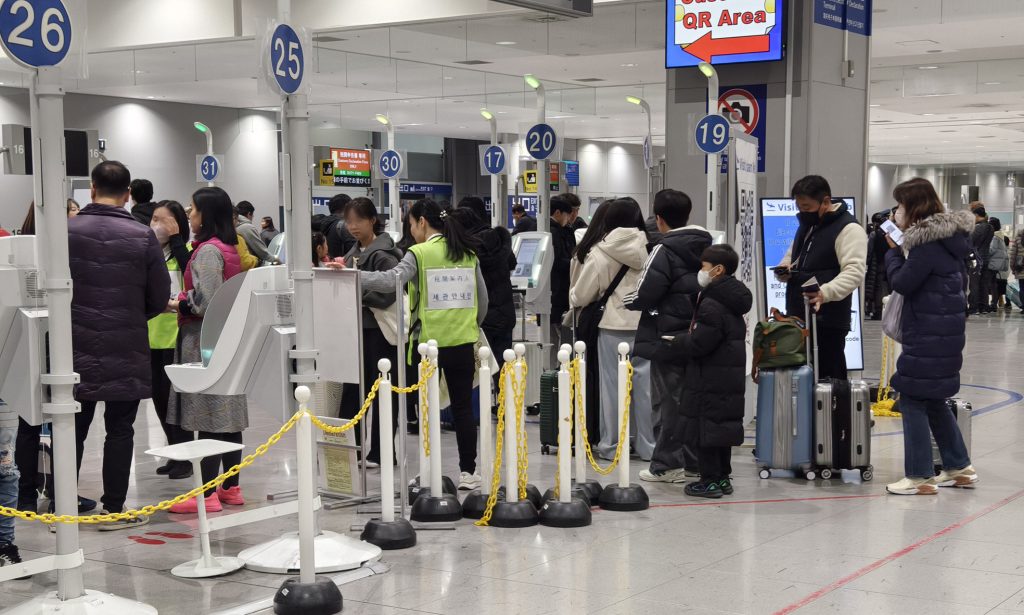

Japan is facing a major demographic shift as its Japanese population continues to decline while the number of foreign residents rises rapidly. New data from the Ministry of Internal Affairs and Communications shows that foreign residents have surpassed 4 million, highlighting the growing role of newcomers in Japan’s workforce, communities and society.
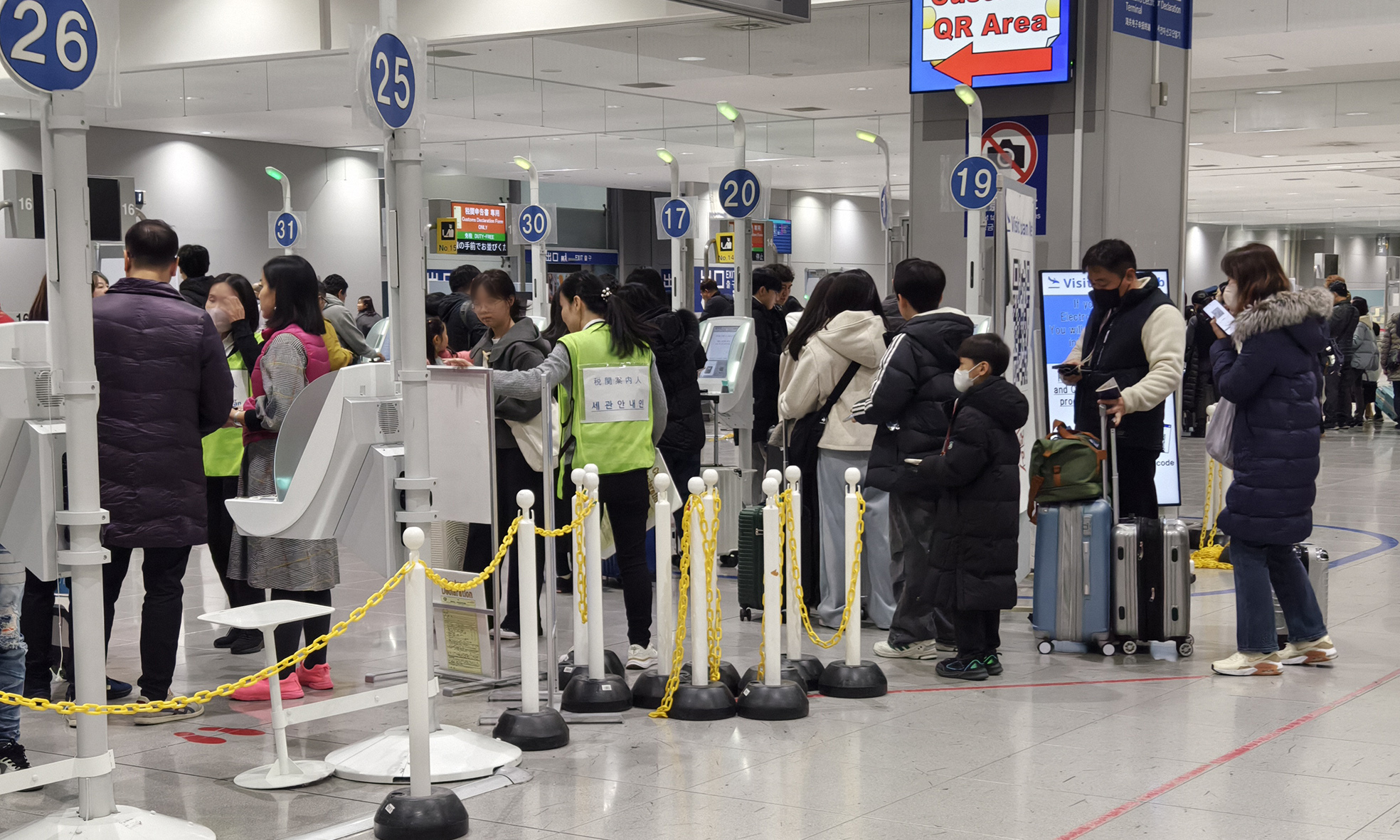
TOKYO, JAPAN (MERXWIRE) – Japan’s demographic structure is undergoing a major shift as the number of Japanese residents continues to decline while the foreign resident population grows rapidly. According to data released by Japan’s Ministry of Internal Affairs and Communications, the number of Japanese residents fell to 119.74 million as of January 1, 2026, down by about 917,000 from the previous year. Meanwhile, the foreign resident population reached 4.03 million, an increase of approximately 354,000 in one year.
The latest figures show a clear contrast between the two population groups. Japanese residents declined by approximately 0.76% year on year, while the foreign resident population increased by 9.62%. Foreign residents now account for about 3.3% of Japan’s total registered population.
Japan’s population decline continues to be driven primarily by the widening gap between births and deaths. In 2025, the number of births among Japanese residents fell to 670,467, marking the tenth consecutive year of decline and the lowest level since the current statistics began. The number of deaths among Japanese residents reached 1,593,475, resulting in a natural population decline of 923,008 people. The natural decrease among Japanese residents has expanded for 18 consecutive years.
At the same time, Japan is seeing a rapid increase in its foreign resident population. Foreign residents recorded a net social increase of 339,970 people in 2025, while the number of people moving into Japan from overseas reached 720,988, the highest level since the statistics began in fiscal 2012.
Foreign residents are also contributing to natural population growth. In 2025, 22,835 births and 9,109 deaths were recorded among foreign residents, resulting in a natural increase of 13,726 people. All three figures reached their highest levels since foreign resident population statistics began in 2013.
The demographic shift is also becoming visible at the household level. Japan had 61.75 million households as of January 1, 2026, up 459,146 from the previous year, while the average household size fell from 2.03 people to 2.00. Meanwhile, the number of households consisting of foreign residents reached 2.62 million, an increase of 283,702 households, or 12.16%, in one year.
A Japanese office worker in her 30s living in Tokyo said the increase in foreign residents has become increasingly noticeable in everyday life. “There are more foreign colleagues at my workplace, and I also see more foreign residents at restaurants and shops around my neighborhood,” she said. She believes local communities will need to provide more multilingual information and support as the number of foreign residents continues to grow.
A resident in his 40s living in a regional Japanese city said the demographic change is particularly visible outside major metropolitan areas. “As younger people leave, local stores and public services are facing labor shortages. Foreign residents are increasingly filling some of these jobs, and that is becoming an important change for regional communities,” he said.
Kanto Smart Living Cooperative said Japan is now facing two interconnected demographic trends: a continuing decline in the Japanese population and a rapid increase in foreign residents. The cooperative noted that the shift is not simply a labor-market issue, but is also changing Japan’s consumer market, community services and local lifestyles.
The cooperative said the increase in foreign residents could help address labor shortages and support local consumer demand, but emphasized that the key issue is not simply attracting more foreign workers. Japan will also need to create an environment in which foreign residents can live, work and participate in local communities over the long term.
The cooperative recommends expanding multilingual information and support for housing, healthcare, administrative procedures, education and community activities. Businesses and local governments should also consider foreign residents not only as a source of labor, but as increasingly important consumers and members of local communities.
Overall, the latest figures show that Japan’s demographic challenge is evolving from population decline alone into a broader restructuring of its population. While the increase in foreign residents is not large enough to offset the decline in Japanese residents, foreign newcomers are becoming an increasingly important part of Japan’s demographic landscape.
As Japan’s population structure continues to change, the country’s next demographic challenge will extend beyond slowing population decline. It will also involve building communities where Japanese and foreign residents can live, work, consume and participate together, making the integration of foreign newcomers an increasingly important part of Japan’s social and economic future.
Media Contacts:
Kanto Smart Living Cooperative
PR Agency:
MERXWIRE INC.
Ada Huang
pr@merxwire.com
SOURCE: Kanto Smart Living Cooperative


