A column breakthrough model for fixed-bed adsorption based on a capacity-loading framework: A semi-mechanistic framework
GA, UNITED STATES, November 18, 2026 /EINPresswire.com/ -- Fixed-bed adsorption columns are a mainstay of water and air
Press Release Disclaimer: This is a press release distributed through the XPR Media network. It has not been independently verified by our newsroom.
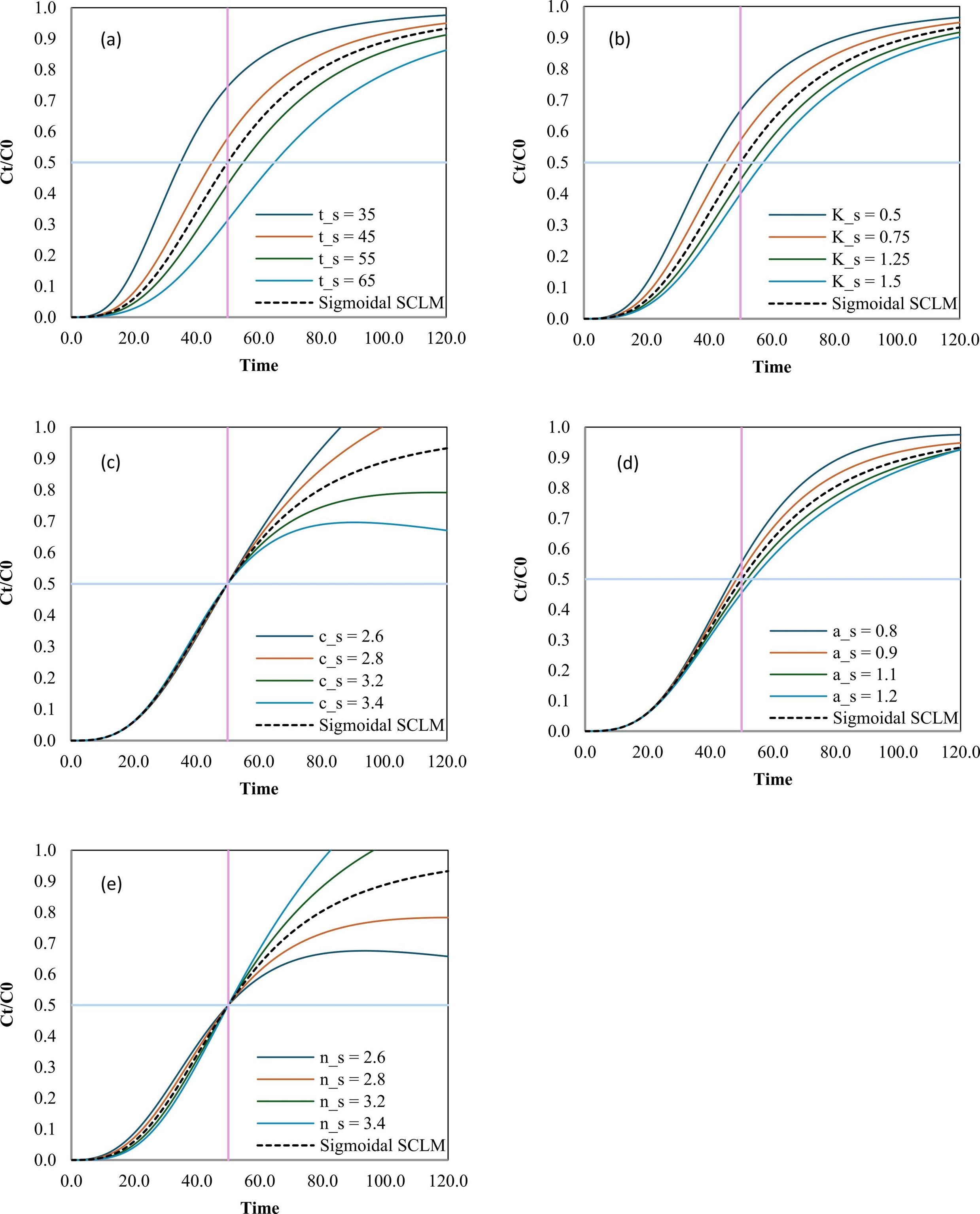

GA, UNITED STATES, November 18, 2026 /EINPresswire.com/ — Fixed-bed adsorption columns are a mainstay of water and air treatment, yet their design still relies heavily on empirical curve-fitting. A new study introduces a semi-mechanistic column breakthrough model built on a capacity-loading framework, which tracks how adsorption capacity is consumed along the length of the column. The approach offers a more physically interpretable way to predict when a treatment bed will break through and exhaust its capacity.
Fixed-bed adsorption columns are used across water purification, air treatment and resource recovery to trap contaminants as fluid flows through a packed bed of solid adsorbent. A major design question is predicting the “breakthrough” point — the moment treated effluent first exceeds acceptable contaminant levels — because it determines how long a bed can operate before replacement or regeneration. Traditional design models often rely on empirical fitting of breakthrough curves, which can limit physical insight and transferability between systems.
In a study published in the KeAi journal Environmental Surfaces and Interfaces, Clint Sutherland of the University of Trinidad and Tobago presents a new semi-mechanistic column breakthrough model based on a capacity-loading framework. Rather than fitting a curve after the fact, the model tracks the progressive loading of adsorption capacity along the length of the column, linking observable breakthrough behaviour to the underlying consumption of capacity within the bed.
“By grounding prediction in how capacity is actually loaded along the column, we give engineers a feasible tool for sizing and operating adsorbers without resorting to pure curve-fitting,” says corresponding author Clint Sutherland.
References
DOI
10.1016/j.esi.2026.08.003
Original Source URL
https://doi.org/10.1016/j.esi.2026.08.003
Funding information
This research did not receive any specific grant from funding agencies in the public, commercial, or not-for-profit sectors.
Lucy Wang
BioDesign Research
email us here
Legal Disclaimer:
EIN Presswire provides this news content “as is” without warranty of any kind. We do not accept any responsibility or liability
for the accuracy, content, images, videos, licenses, completeness, legality, or reliability of the information contained in this
article. If you have any complaints or copyright issues related to this article, kindly contact the author above.

Media gallery